Why Mindset Matters in Transition
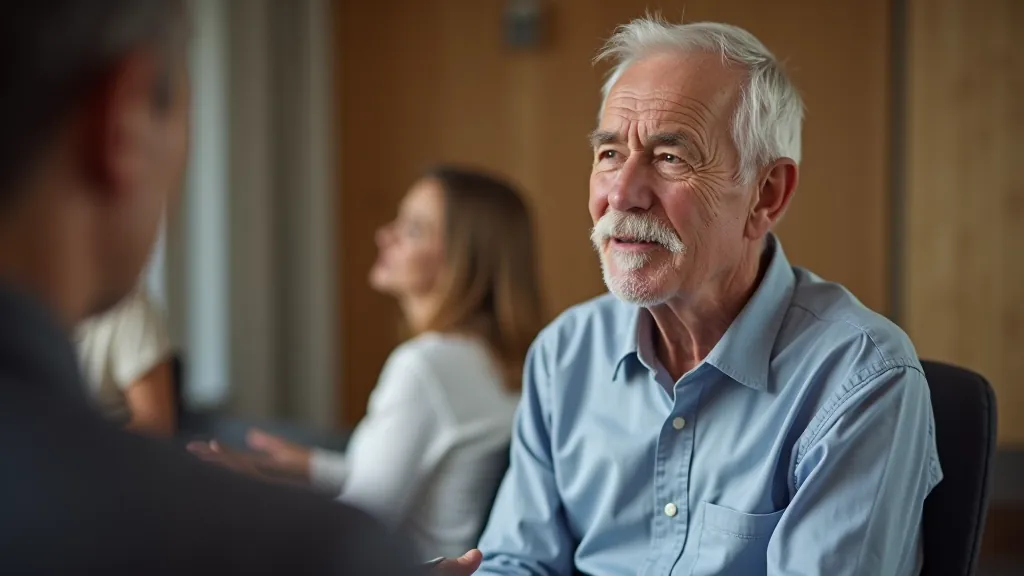
Retirement isn't just a change of schedule — it's a fundamental shift in how you spend your days, who you spend them with, and what gives your life meaning. We're talking about decades of habit suddenly gone. Identity tied to work, purpose measured in productivity. It's real, and it's worth taking seriously.
The difference between someone who thrives in retirement and someone who struggles often comes down to one thing: how they think about it. Not in a "positive thinking solves everything" way. Rather, how you frame the change, what beliefs you bring to it, whether you see it as loss or opportunity. That's where mindset coaching comes in. It's not about ignoring the hard parts. It's about having tools to work with them.
The Reframing Process
Most people approach retirement with one of two frames: either they're relieved to stop working, or they're terrified of losing structure. Both are valid, but both can trap you. Coaching helps you move beyond the binary.
Here's how it works. A coach asks questions. Not leading questions — real ones. "What were you curious about before work took over?" "When's the last time you felt genuinely engaged?" "What's actually scary about having time?" Through conversation, you start seeing patterns in your thinking. You notice beliefs you didn't know you had. That's the opening. Once you see it, you can choose differently.
In workshops across Liepāja and Ventspils, we've seen people move from "I don't know who I am without work" to "Finally I can do the things I've been putting off." The shift doesn't happen overnight, but it happens. Usually takes 6-8 weeks of regular reflection and conversation.

Common Beliefs That Hold People Back
We don't invent these. They come up again and again in conversations with retirees. Not everyone has all of them, but most people have at least one:
"I'm too old to start new things"
This one shows up constantly. People see retirement as the end of the growth chapter. But here's what we actually see: someone picks up painting at 67 and joins a studio group. Someone learns to garden seriously at 62. Not because they're special. Because they changed the story they were telling themselves.
"My value came from my job"
Work was identity. Work was how you measured yourself. Without it, some people feel invisible. Coaching helps you separate your inherent worth from your job title. It's not easy, but it's fundamental to thriving in retirement.
"I should stay busy all the time"
The flip side — people fill every hour because emptiness feels dangerous. But constant busyness is just another form of avoidance. Real transition work means sitting with some quiet. Getting to know yourself without the work mask on.

What Actually Changes in Coaching
Coaching isn't therapy, though it has some overlap. You're not processing decades of stuff. You're focused on now and next — the transition you're in and how to navigate it with intention.
Three things typically shift:
- You get clearer on what actually matters to you personally, separate from shoulds
- You develop specific practices — not mystical, just practical — for handling anxiety or uncertainty
- You connect with others doing the same thing, which normalizes the struggle
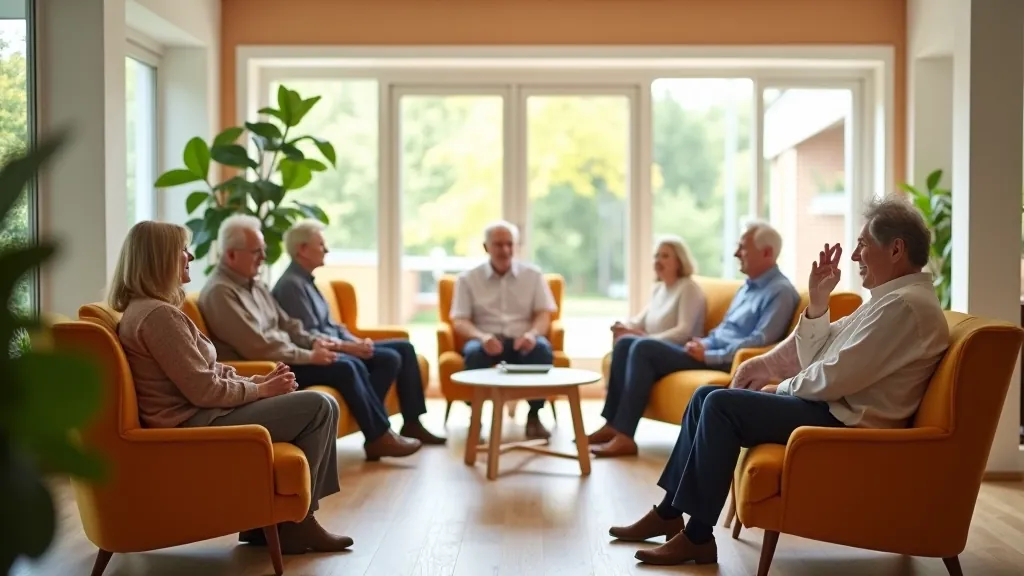
The community part matters more than people expect. When you sit in a workshop with 15 other people all navigating retirement, and they say things you've been thinking but didn't want to admit — that's powerful. You're not broken. You're not alone. This is a real transition.
Practical Techniques You'll Learn
Mindset coaching isn't vague. There are actual practices and frameworks you work with. Here's what's typically included in workshops:
Belief Auditing
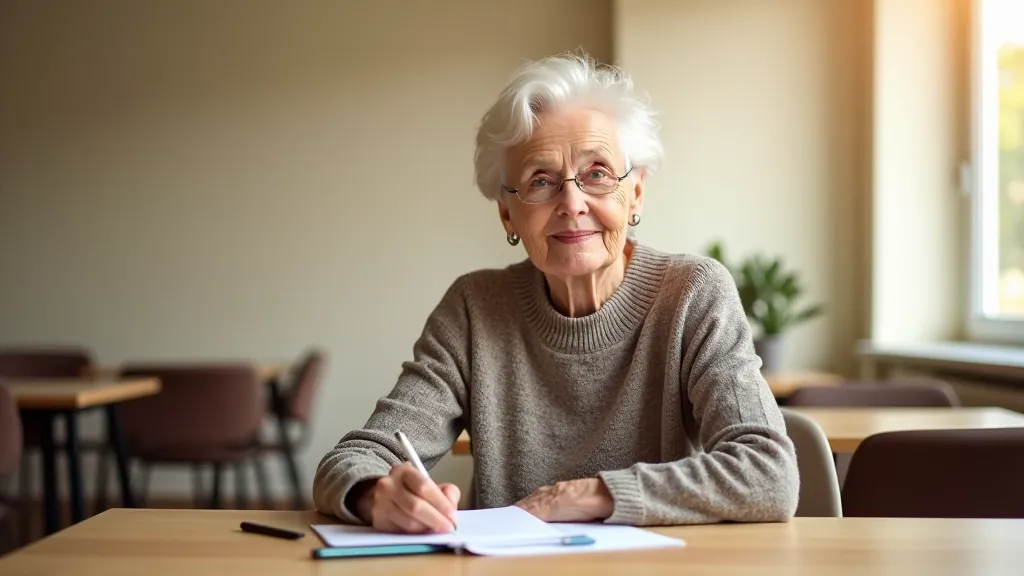
Writing down the beliefs you hold about retirement, then questioning each one. Where did this belief come from? Is it actually true? What would change if I didn't believe this? Sounds simple, but it's genuinely revealing.
Values Clarification
Not what you think you should value. What do you actually care about? Health, creativity, family time, learning, contribution? You rank them, then you build your retirement around them. Most people skip this step and wonder why they feel adrift.
Identity Work
Who are you without the job title? It takes time to answer. Coaches help you explore this — what qualities, interests, and skills are actually you. Then you build new identity frameworks around those.
Decision-Making Frameworks
Retirement means choices. Move or stay. Travel or stay home. Volunteer or keep earning. Having a framework for making these decisions — aligned with your values — takes the paralysis out of it.
Resilience Building
Retirement isn't smooth. Health happens, relationships shift, unexpected things come up. Coaches teach you how to bounce back — not by being tough, but by having realistic expectations and solid practices for handling hard stuff.
Community Connection
One of the best predictors of retirement satisfaction isn't money or health. It's having genuine connection. Workshops introduce you to pensionāru apvienības and other community groups. You're building your retirement community from day one.
The Reality Check
Mindset coaching isn't a cure-all. If you're struggling with depression, you need therapy. If you've got serious health issues, you need medical care. Coaching works best alongside those things, not instead of them.
Also — and this matters — coaching requires you to actually engage. You can't just attend a workshop and expect everything to change. You need to do the reflection, try the practices, be honest with yourself. That's where the real work happens. The coach is a guide, but you're doing the work.
That said, for people who are willing to engage? The results are tangible. After 8-12 weeks of coaching and reflection, most people report feeling more confident about their retirement, clearer on what they want, and less anxious about the unknown.

Where Workshops Happen
Mindset coaching workshops for retirees run regularly in Liepāja and Ventspils. These aren't online webinars where you watch from home. They're in-person, in rooms with other people. You're sitting across from a coach, sharing your thoughts, hearing how others are navigating the same transition.
Sessions typically run 8-10 weeks, 2 hours per week. Small groups — usually 8-15 people. Mornings work best for most retirees. Cost varies depending on the program, but it's generally affordable. Many groups connect with pensionāru apvienības for subsidized options.
The environment matters. You're in a comfortable, welcoming space. Coffee's usually available. People bring notebooks, pens, openness. By week three or four, the group feels like it knows each other. That's when the real breakthroughs start happening.
Getting Started
If this resonates with you, here's what usually happens: You contact the program. They ask you a few questions about where you're at in retirement and what you're hoping for. Then you either join an upcoming cohort or get waitlisted. Most programs start new groups every 6-8 weeks.
First session, you don't need anything except yourself and maybe a notebook. Coaches do an overview of what you'll cover. They explain confidentiality — what's said in the group stays in the group. Then people start talking. Usually someone shares something real on that first night, and everyone relaxes. You're in the right place.
The investment is small compared to what you get back: clarity on what you want, confidence in your choices, a community of people who understand. For a lot of retirees, that first workshop is the moment things start shifting.
Wrapping It Up
Retirement is one of life's biggest transitions. It deserves real attention. Not just practical planning — though that matters. But actual mindset work. Examining what you believe, clarifying what matters, building identity around something other than a job title.
Mindset coaching gives you the tools to do that. It's not therapy. It's not a self-help book. It's a structured process, in community, with someone trained to guide you through the messy middle of major life change.
If you're in that transition right now — whether you just retired last month or you're thinking about it for next year — this is worth exploring. Workshops in Liepāja and Ventspils run regularly. The community is real. The work is genuine. And the people who engage with it consistently come out the other side feeling more confident, more connected, and more excited about what's next.