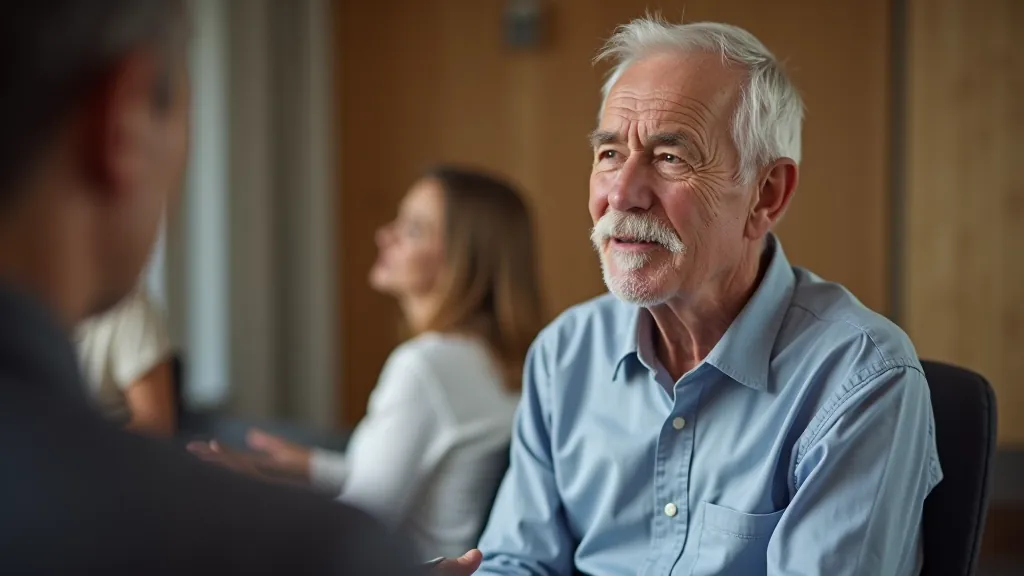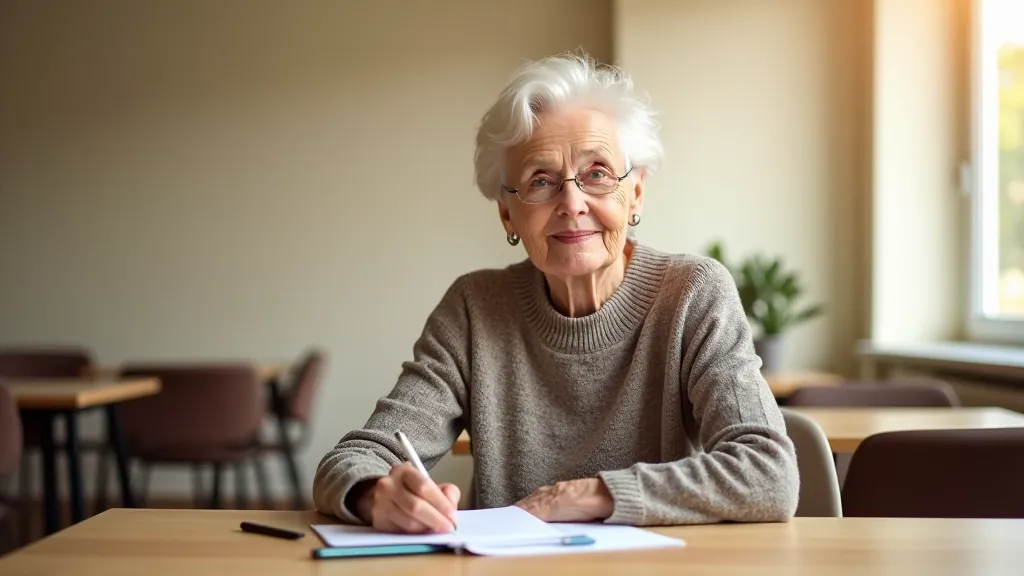
Mindset Coaching for Life Transitions
Practical strategies to reframe retirement as an opportunity, not an ending. Work through the psychological shift that retirement requires.
Read MoreLearn how pensionāru apvienības help retirees stay connected and find meaningful friendships after leaving the workforce.
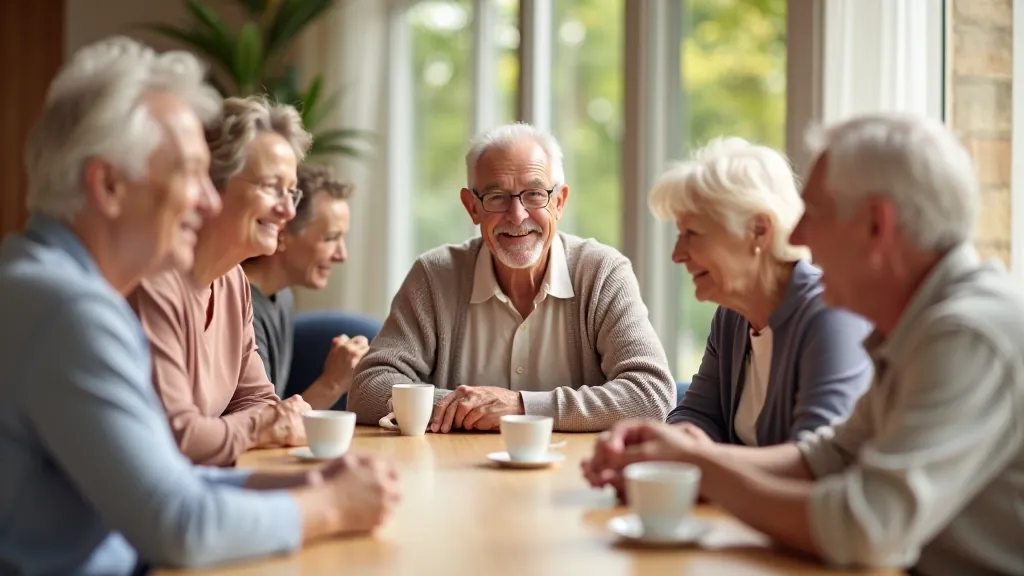

The transition into retirement changes everything. You're no longer defined by your job, your daily routine shifts completely, and suddenly you've got time you've never had before. But here's the thing — all that free time doesn't automatically feel like freedom if you're facing it alone.
That's where community really shines. Pensionāru apvienības across Latvia have figured out what works: bringing people together who understand exactly what you're going through. We're not talking about formal networking or awkward meet-and-greets. It's about finding your people — folks who get the adjustment, who want to stay active, and who aren't content just sitting at home.
Studies consistently show that retirees who maintain strong social connections report higher life satisfaction, better mental health, and honestly, they just enjoy their days more. When you're part of a community, retirement stops being something you're doing to yourself and becomes something you're building together with others.
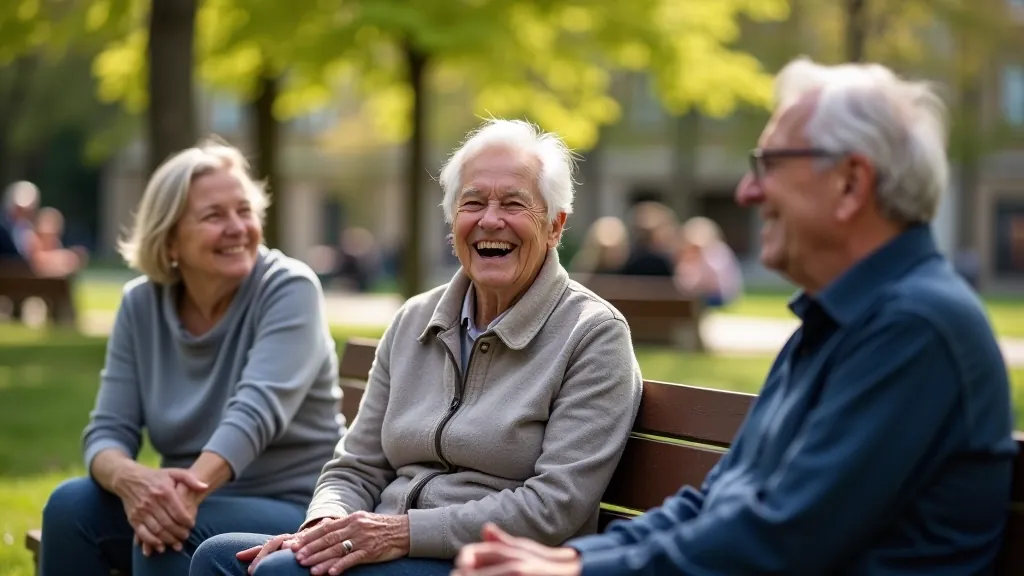
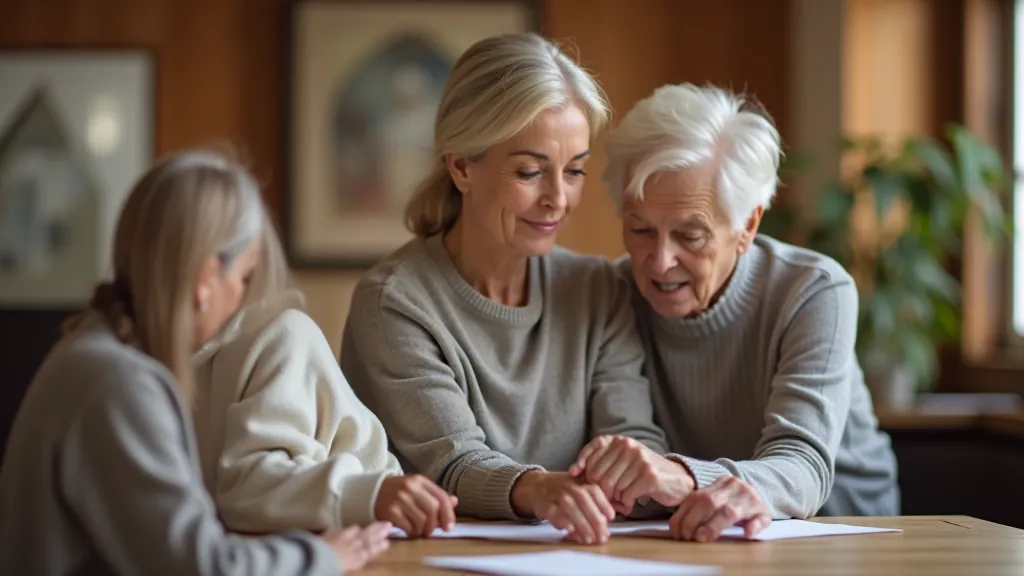
Starting feels like the hardest part. You might think you're too old to make new friends, or that everyone else already knows each other. Neither is true. Pensionāru apvienības exist specifically because retirees are actively looking for connection.
Here's what actually works: start small. Look for groups in your area focused on something you already enjoy — whether that's hiking, card games, crafts, or just having coffee and conversation. In Liepāja, you'll find groups meeting regularly at community centers. Same in Ventspils. Most communities have at least 3-5 different pensionāru apvienības running different activities.
Don't worry about commitment right away. Most groups welcome drop-ins. You can show up to one meeting, see how it feels, and decide if it's your crowd. Some people find their community on the first try. Others need to sample a few groups before something clicks. Both are completely normal.
Once you've found a group, the real work begins — and it's actually enjoyable. You're building relationships based on shared interests rather than work obligation. That's a huge difference. You're choosing these people, not assigned to them.
Meaningful friendships develop through consistency and vulnerability. You don't need to be best friends immediately. Show up regularly, participate in conversations, and gradually let people know who you actually are — not just the professional version they'd meet at a business event. Share what you're struggling with about retirement. Ask others about their adjustments. These honest conversations create real bonds.
The strongest retirement communities are ones where people feel safe being themselves. You'll notice groups that have that quality tend to grow organically because members genuinely want to be there. They're not showing up out of obligation — they're showing up because they've found their people.
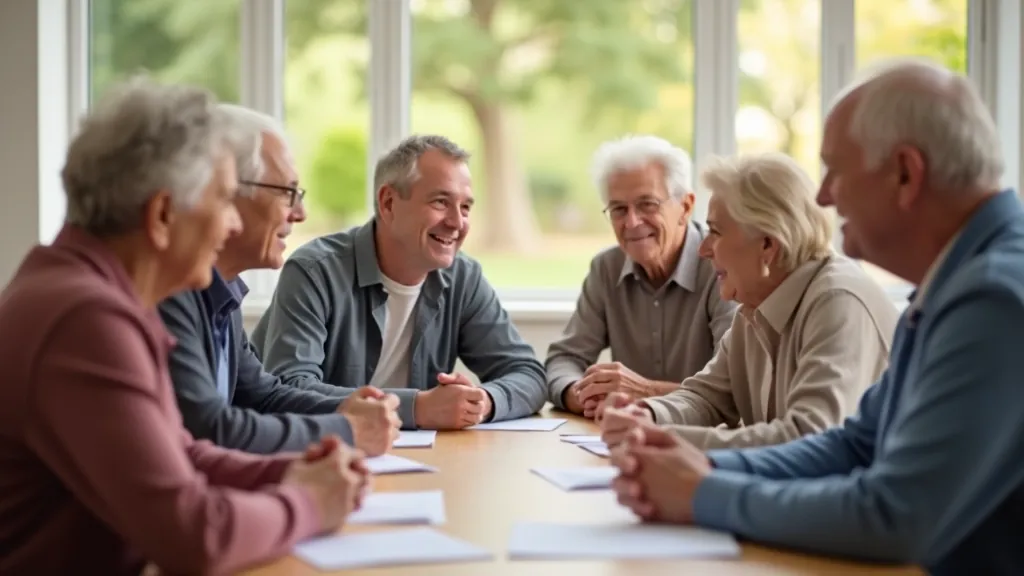
Weekly or bi-weekly meetings create rhythm and predictability. You know when you'll see your people. That consistency builds real friendships.
Whether it's hiking, art classes, or book clubs, having something to do together gives you natural conversation starters and shared experiences.
The best groups actively welcome newcomers and make space for different perspectives. You're not fighting to fit in — you're welcomed in.
Real communities show up for each other during challenges. Someone going through a loss? The group rallies. That's when you know you've found something real.
Building a retirement community network isn't about filling your calendar with obligations. It's about creating a social foundation that makes your retirement genuinely fulfilling. You've spent decades building professional networks — now you get to build something more meaningful because it's based on actual friendship, not mutual benefit.
Start this week. Look up pensionāru apvienības in your area. Pick one activity that sounds interesting. Show up. You don't need a perfect plan or years of preparation. You just need to take the first step and show up consistently. That's genuinely all it takes. The people you're meant to connect with are already out there, probably hoping someone new will join their group.
Your retirement community is waiting. It's not something you find once and you're done — it's something you build together, one gathering at a time, one conversation at a time. And honestly? That's the best part about leaving work behind.
Disclaimer: This article is for informational and educational purposes only. It's not a substitute for professional coaching, therapy, or medical advice. Individual circumstances vary significantly. If you're experiencing depression, isolation, or serious life transitions during retirement, consulting with a qualified professional coach or mental health provider is recommended. The resources and approaches discussed here represent common practices but may not be suitable for everyone.