Why Most Programs Fail — And What Actually Works
Here's the thing: you'll find active ageing programs everywhere these days. Community centers, gyms, libraries — they're all offering something. But most of them don't stick. People show up for a few weeks, then life gets in the way, or the program doesn't match what they actually need.
The programs that work aren't the ones with the fanciest equipment or the most ambitious schedules. They're the ones that understand what keeps people coming back. Over the past 16 years working with retirees across Latvia — from Liepāja to Ventspils, through dozens of pensionāru apvienības groups — I've noticed a clear pattern. The successful programs have three things in common: they're built around real relationships, they respect your time, and they actually deliver results you can see.
Let's break down what makes the difference.
The Connection Factor — Why Community Matters More Than You Think
Retirement changes things. Suddenly you're not going to work five days a week. You're not running into colleagues or catching up with people over lunch. That regular social structure just disappears. For many retirees, especially in smaller cities like Ventspils, that isolation can happen without you even realizing it.
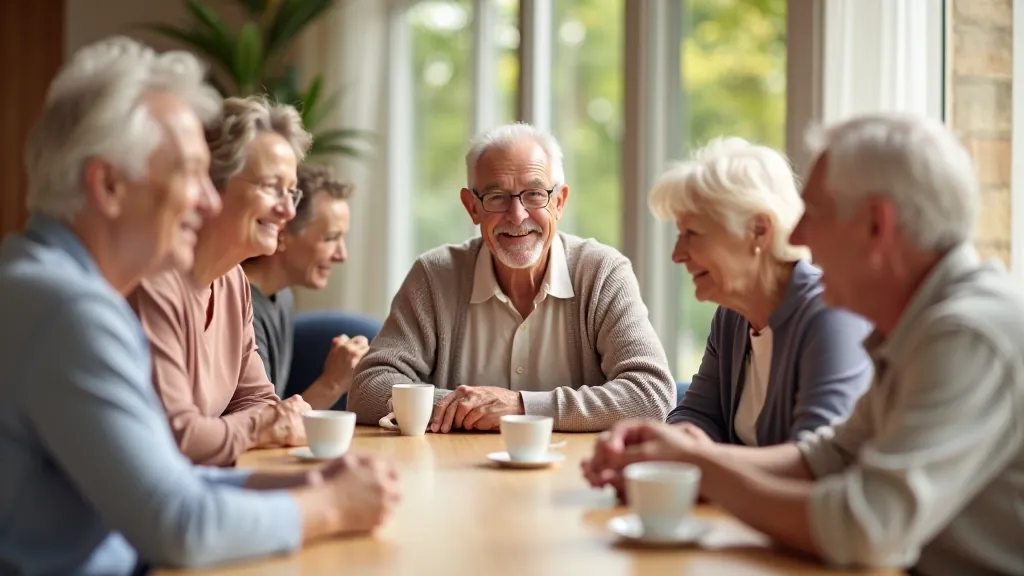
The active ageing programs that actually work understand this. They're not just about fitness or hobbies — they're about creating a reason to get out, see people, and feel like you're part of something. The Tuesday morning group at the Ventspils coaching center has the same eight people who've been meeting for almost three years. They know each other. They joke around. When someone misses a session, others notice and reach out.
That's not accidental. The coaches intentionally keep groups small — usually 8-12 people — and they prioritize continuity. Same time, same place, same people. Your brain likes predictability. Humans like belonging. When both of those exist, you'll actually show up.
Three Core Elements That Programs Get Right
Realistic Goals Over Ambition
The worst programs overpromise. "Transform your fitness in 8 weeks." "Become a champion swimmer." Nobody wants that pressure. The programs that work set achievable milestones. "Learn proper technique." "Build strength gradually." "Enjoy time with others doing something you like." You'll notice the difference within 4-6 weeks, and that's real enough to keep going.
Coaching That Explains Why
Just telling someone "do this exercise" doesn't work. Good coaches explain the reason. "This movement strengthens your core, which means better balance, which means you're less likely to fall." That connection to real life — to independence and safety — matters. It's not abstract. It's about staying able to do the things you want to do.
Flexibility Around Your Life
Rigid schedules don't work when you're managing doctor appointments, grandkids, and everything else. Programs that offer multiple time slots — morning, afternoon, evening — or allow people to skip a week without guilt tend to keep people longer. You're not locked in. You're choosing to be there.
What Real Results Look Like
You don't need dramatic transformations. Real progress shows up in small ways. Marija, who joined a Liepāja program last summer, couldn't climb stairs without holding the rail. Six months later? She's going up two flights without thinking about it. She's not an athlete. She's just stronger.
Or take Jānis. He'd been isolated after his wife passed. The coach didn't try to fix his grief — nobody can do that. But three times a week at the Ventspils center, he's around people who get what he's going through. His posture's improved. He sleeps better. He's got plans with people, which means he has reasons to get out of bed.
That's what these programs deliver. Not Instagram-worthy transformations. Real, quiet improvements in the things that actually matter — strength, confidence, connection, purpose. They happen because the programs are designed around what retirees actually need, not what looks impressive on paper.
The Role of Pensionāru Apvienības Networks
One thing that's made a huge difference across Latvia is the pensionāru apvienības — retiree associations. These groups aren't run by corporate fitness companies trying to maximize profits. They're run by people in your community who understand what retirement actually feels like.
Because of that, they build programs differently. They partner with local coaches. They listen to feedback and adapt. They know that when someone's missed three sessions, it might be worth a phone call to check in. These aren't polished operations — they're human operations. And humans are more likely to show up when they feel like someone actually cares whether they do.
The most successful active ageing programs across Latvia aren't competing on amenities or size. They're winning on consistency, relationships, and genuine respect for the people in them.
How to Find (and Evaluate) a Program That Works
If you're looking to join an active ageing program, here's what to actually look for:
- Talk to current members. Not the marketing materials — actual people in the program. Ask how long they've been going. If people have been there 2+ years, that's a good sign.
- Check the coach credentials. Are they trained in working with older adults? Do they actually explain why you're doing things, or just bark instructions?
- See if they assess you individually. A good program won't put everyone through the same routine. People have different needs, injuries, abilities. The program should adjust.
- Notice if they have a trial period. You should be able to try a session or two without committing. If they're pushy about signing up immediately, that's a red flag.
- Ask about progress tracking. How will you know you're improving? Are they measuring anything? Or is it all just "how do you feel?"
The Bottom Line
Active ageing isn't about becoming an athlete at 65. It's about staying strong, staying connected, and staying engaged with life. The programs that actually work understand that difference. They're built by people who get it, run with consistency, and designed around what actually matters to retirees.
Whether you're in Ventspils, Liepāja, or anywhere else in Latvia, these principles apply. Look for connection over ambition. Look for coaches who explain, not just instruct. Look for programs where people actually stay because they want to, not because they're locked into a contract.
Start somewhere. Try a program. See how it feels. The right one won't promise to change your life — it'll quietly, consistently, actually improve it.